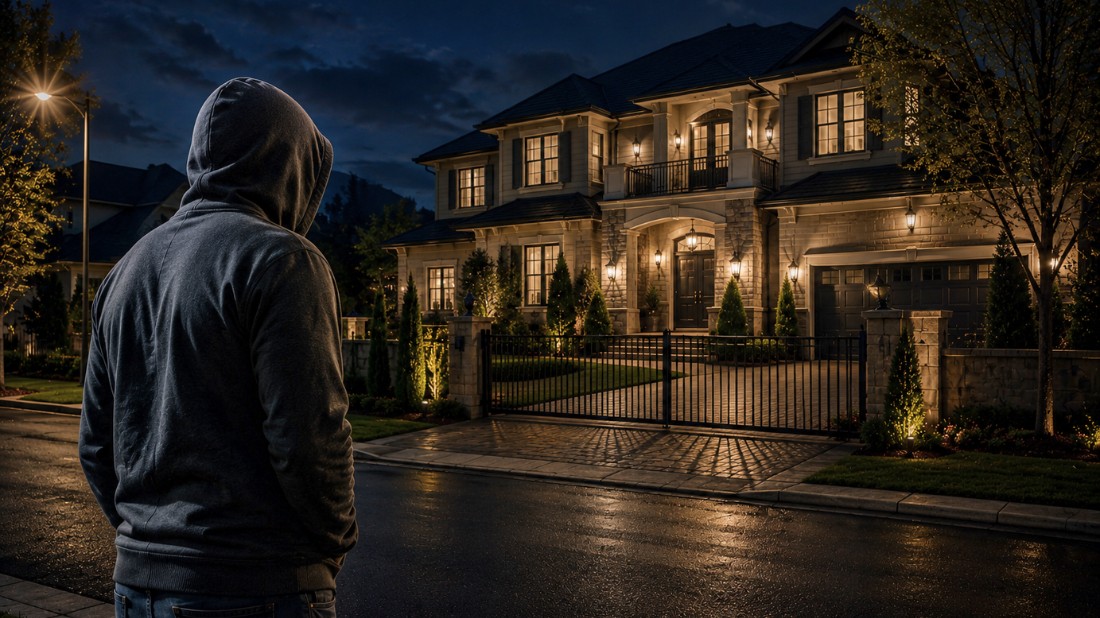
What Burglars Notice First When They Approach a Home (And Why It Matters)
- 17. 8. 2026 08:47
- SHARE


When people think about home security, they frequently focus on locks, cameras, and alarm systems. While those things certainly matter, there’s another side to security that often gets overlooked: first impressions.
The reality is that most burglaries are crimes of opportunity. Before anything happens, someone has already formed an opinion about a property. They may notice whether a home looks occupied, how easy it would be to approach unnoticed, or whether there are obvious signs that someone is paying attention to security.
The good news? Many of the things that make a home look less appealing to criminals are simple, practical, and easy to address.
Let’s take a look at what burglars are likely to notice first when approaching a home – and why those details matter.
Signs That Nobody Is Home
One of the first things people notice about a property is whether it appears occupied.
Packages left on the porch, an overflowing mailbox, closed curtains around the clock, or a driveway that never changes can all suggest that nobody is currently home.
This doesn’t mean every unattended package is a security risk. However, a collection of small signs can create a clear picture.
The more lived-in a home appears, the less attractive it tends to be as a target.
💡 Did you know?
According to surveys of convicted burglars, over 50% would rather avoid a home that appears occupied. That’s one reason why details (like parked cars, lights, or visible activity) can make a bigger difference than many people realize.
Easy Access Points
Doors and windows naturally attract attention.
Not because someone can immediately tell whether they’re unlocked, but because they reveal how easy or difficult a property may be to access.
Things that stand out include:
- side gates left open
- ground-floor windows hidden from view
- unsecured backyard entrances
- doors that appear worn or poorly maintained
In many cases, criminals look for the path of least resistance.
A home doesn’t need to be impossible to access – it simply needs to look less convenient than the alternatives.

Visibility From the Street
Most people assume privacy always improves security.
In reality, too much concealment can sometimes work against you.
Tall hedges, overgrown shrubs, and hidden entryways may provide privacy, but they can also reduce visibility from neighbors or passing traffic.
A well-maintained property with good sightlines often sends a different message: People can see what’s happening here.
That visibility alone can be a powerful deterrent.
▶️ Watch what burglars see before choosing a target:
Signs of Security Measures
Visible security measures can influence first impressions long before anyone reaches the front door.
This doesn’t necessarily mean having the most advanced setup available.
Things that often stand out include:
- security cameras
- video doorbells
- motion-activated lighting
- security signs
- well-lit entryways
Even simple security measures can change how a property is perceived.
💡 Did you know?
In surveys of convicted burglars, around 60% said they would look for another target if they noticed visible security measures, particularly cameras and alarm systems.
Packages, Deliveries, and Everyday Clues
Modern lifestyles create new security signals.
Packages left outside for extended periods can suggest that no one is regularly checking the property. The same can be true for newspapers, flyers, or other items that accumulate near an entrance.
Individually, these things may seem harmless.
Together, they can tell a story.
That’s why many security experts recommend asking a neighbor to collect deliveries or using package lockers when traveling for several days.

Lighting Matters More Than You Might Think
Lighting is one of the simplest ways to change how a home looks from the outside.
A completely dark property may not automatically attract attention, but strategic lighting can make entrances, pathways, and driveways feel more visible and active.
Motion-activated lights are especially popular because they combine convenience with awareness.
They don’t just help you see what’s happening – they also make it clear that movement has been noticed.
💡 Did you know?
According to crime statistics, many residential burglaries occur during the day, often between 10 a.m. and 3 p.m., when people are away at work, school, or running errands.
The Overall Condition of the Property
Sometimes the biggest signals aren’t specific security measures at all.
They’re signs that a property is regularly cared for.
Things like:
- trimmed landscaping
- maintained fences
- clean walkways
- working exterior lights
may seem unrelated to home security at first.
But they can suggest that the homeowner is attentive and engaged.
And that’s often enough to make a property appear less attractive as an easy opportunity.
▶️ Watch how to protect your home while you’re away:
Final Thoughts: What Burglars Notice First?
Most people don’t think about home security from the outside looking in.
But first impressions matter.
Things like visibility, signs of occupancy, lighting, and basic upkeep can all influence how a property is perceived before anyone even reaches the front door.
Many of the factors we’ve covered are surprisingly easy to improve. A well-lit entrance, trimmed landscaping, collected packages, or visible signs of activity can all help create a stronger first impression.
Because when it comes to home security, small details can send a surprisingly strong message.
Common Questions About Burglars and Home Security
Where do house burglars look first?
Many burglars focus on obvious entry points, such as front doors, side entrances, and ground-floor windows. They may also notice signs that no one is home, such as accumulated packages, dark interiors, or a lack of visible activity around the property.
What do burglars hate most?
In general, criminals prefer easy opportunities. Visible security measures, well-lit entrances, occupied-looking homes, and properties with good visibility tend to be less appealing because they increase the likelihood of being noticed.
What signs do burglars use?
Often, it’s the everyday details. A pile of packages by the door, mail that hasn’t been collected, or signs that nobody has been around for a while can make a home seem like an easier opportunity.
What type of house gets robbed the most?
There isn’t a single type of home that’s most often targeted. However, homes that appear unoccupied, have poor visibility, or offer easy access points may be more attractive to opportunistic criminals than properties that look active, maintained, and secure.
- 17. 8. 2026 08:47
- SHARE
