Why Most People Delay Home Security – And Why They Shouldn’t
- 25. 5. 2026 13:30
- SHARE


Most people don’t ignore home security because they don’t care. They delay it because it never feels urgent.
It’s one of those things that quietly sits in the background. You think about it for a moment – maybe after hearing a story or noticing something unusual – but then life moves on. Work, errands, responsibilities. It becomes something to “deal with later.”
And that’s exactly where the problem begins.
Because in reality, home security isn’t usually about big, dramatic situations. More often, it’s about small, everyday gaps – things left unchecked, routines not built yet, simple steps that were postponed one too many times.
Why we tend to put it off…
There’s a very human reason behind this.
Most people assume that setting up home security is complicated. It sounds like a project – something that requires research, equipment, installation, and time. When something feels complex, it’s easier to delay it than to start.
Cost plays a role too. Many people associate security with expensive systems, subscriptions, and long-term commitments. Even if they’re interested, they hesitate because it feels like a bigger decision than it really needs to be.
And then there’s the quiet assumption: “Nothing has happened so far.”
That feeling is comfortable – but it can also create a false sense of security.
💡 Did you know?
Research has shown that up to 60% of convicted burglars would avoid a home if they noticed security cameras or monitoring systems. Even simple signs of visibility can make a big difference.

The risk is often simpler than people think
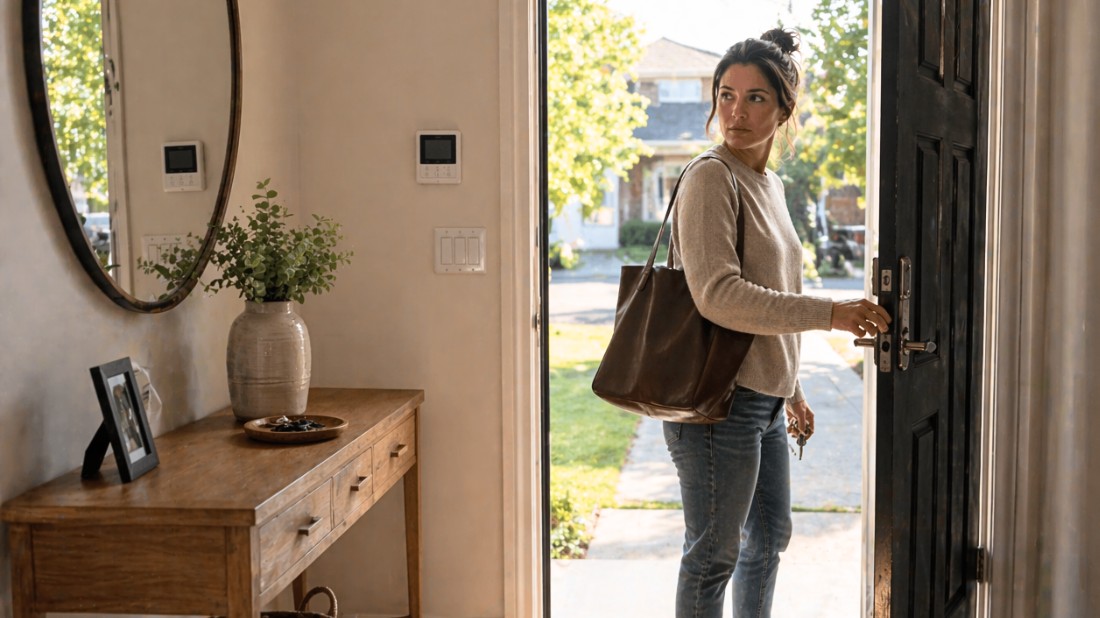
In many cases, break-ins don’t happen because someone forces their way inside. They happen because something was left open or unlocked.
In the U.S., a large share of burglaries comes down to that — an unlocked door, a window left open, or a small detail that made entry easy.
That’s the part many people underestimate.
Home security isn’t only about stopping extreme situations. It’s about reducing easy opportunities. And those opportunities often come from small things – habits that haven’t been built yet, or systems that were never put in place.
Waiting doesn’t just delay action. It delays awareness.
▶️ See how to beef up your home security (Deter, Detect & Deny):
The hidden cost of “later”
Putting things off feels harmless, but it has a quiet downside.
When home security is always “something for later,” it never becomes part of your routine. And without routine, even the best tools won’t make much difference.
Security works best when it fits naturally into everyday life – when checking in, noticing changes, or staying aware becomes second nature.
That’s why starting with home security matters more than perfect planning.
Why starting simple makes all the difference
One of the biggest misconceptions is that you need a full setup from the beginning. In reality, starting small is often what gets people moving.
When the first step feels easy, you’re much more likely to take it.
This is where simple solutions, like the ZoomOn app, can help. Instead of installing a full system, you can use smartphones you already have and turn them into a basic monitoring setup.


There’s no need to overthink it. No need to make it perfect. Just something that works – and something you’ll actually use.
💡 Did you know?
Modern smartphones often have higher-resolution cameras than many entry-level security cameras, along with built-in microphones, speakers, and internet connectivity. That’s one reason why using a phone as a security camera has become such a practical option.
What changes once you start
Something interesting happens when people take that first step. Security stops feeling like a task and starts feeling like awareness.
You begin to notice things more – how your space looks when everything is normal, what feels out of place, what gives you peace of mind. It becomes less about reacting and more about simply staying aware.
And that’s where real value comes in.
Because at its core, home security isn’t just about protection. It’s about feeling comfortable in your own space.

Final Thoughts: It’s Not About Doing Everything at Once
Delaying home security is completely normal. Most people do it.
But the difference isn’t in having the perfect setup – it’s in getting started.
You don’t need to install everything, buy everything, or figure everything out today. You just need a first step that feels simple enough to take.
Once you take that step, everything else becomes easier.
And that’s often the moment when home security stops being something you postpone… and becomes something that quietly works in the background of your everyday life.
Common Questions About Home Security
What do burglars hate the most?
Burglars tend to avoid homes that look active, visible, and unpredictable. Things like lighting, signs of presence, or visible monitoring make a home less appealing. In simple terms, they prefer easy targets – not places where someone might notice them.
What are the common problems with home security systems?
A lot of the issues come down to how easy the system is to use. Some setups feel too complicated, need regular maintenance, or trigger false alarms from time to time. When something becomes frustrating or hard to manage, people tend to use it less – and that’s when it stops being as effective as it should be.
How can I tell if someone is jamming my security cameras?
Jamming isn’t very common, but signs may include repeated missing footage, connection drops, or devices disconnecting unexpectedly. In most cases, though, these issues are caused by normal network or power problems rather than intentional interference.
Can a cell phone detect a hidden camera?
Sometimes, yes. In low light, your phone’s camera may detect infrared light from certain cameras. However, it’s not a fully reliable method, as not all cameras use visible infrared signals, and phone sensors can vary.
- 25. 5. 2026 13:30
- SHARE
