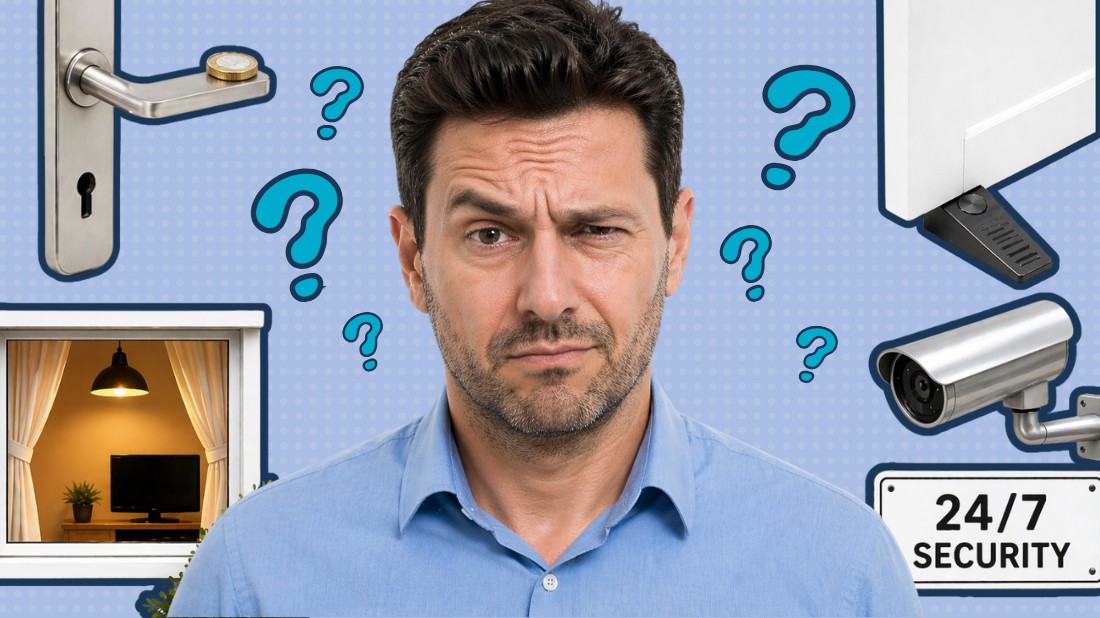
Are Viral Home Security Hacks Actually Useful?
- 22. 6. 2026 13:30
- SHARE


Scroll through social media for a few minutes, and you’ll quickly come across them – quick “home security hacks” that promise to keep your home safe with almost no effort.
Aluminum foil on door handles. Chairs wedged under door knobs. Coins balanced on handles to detect movement. Some of these ideas look clever. Some feel reassuring. And many of them go viral because they’re simple and easy to try.
But here’s the real question: do these hacks actually improve home security, or just make us feel like they do?
A closer look at viral home security hacks
Some of these ideas look smart at first glance – and to be fair, a few of them can be useful in very specific situations. But most of them don’t work the way people expect.
Let’s take a closer look.
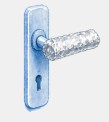 | Aluminum foil on door handles This one has been trending a lot. The idea is that the foil will make noise if someone tries to turn the handle from the outside. In reality, it’s not very reliable. It might create a sound in a quiet environment, but it doesn’t prevent entry – and it’s easy to remove or ignore. At best, it can act as a light awareness signal, not real protection. |
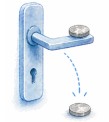 | Coins or objects balanced on door handles The concept is simple: if the door moves, the object falls, and you’ll know someone entered. But again, this only tells you something after it has already happened. It doesn’t stop anything. It might make sense in a temporary situation like a hotel stay, but it’s not something you can depend on at home. |
 | Chair wedged under a door handle This is one of the more practical ideas – but only in specific situations. It can add resistance to inward-opening doors, which might slow someone down. Still, it depends on the door type and setup, and it’s not something most people will realistically use every day. |
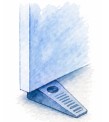 | Door stopper alarm (or simple wedge stopper) This hack is popular in travel content. A stopper is placed under the door to block it or trigger a noise if someone pushes it. It can be useful in short-term situations, such as hotel or Airbnb stays, because it adds resistance and can alert you. But at home, it’s less practical. It depends on the door and floor type, and it’s not something most people use daily. |
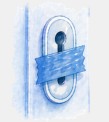 | Taping over door locks or keyholes Another idea is to place tape over a lock or keyhole to check whether it has been tampered with. Like similar tricks, this only works as a signal after something happens. It doesn’t prevent entry and can be easily bypassed. It may raise awareness, but it doesn’t meaningfully improve security. |
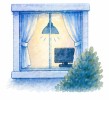 | Leaving lights or a TV on This one actually has some real value. Homes that look occupied are generally less attractive targets. A light on in the evening or a TV playing in the background can make it seem like someone is home. It’s simple – but much more aligned with how real home security works. |
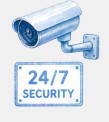 | Fake security cameras or warning stickers These can work to a certain extent. From a distance, a visible camera or sign may discourage someone from approaching. But if it becomes obvious that it’s fake, the effect disappears. It’s more of a first-impression deterrent, not long-term protection. |
Why these hacks are so popular
There’s a reason these ideas spread so quickly.
They offer something people want: a fast, cheap, and easy way to feel safer.
Home security is often associated with cost, installation, and complexity. Viral hacks flip that idea. They suggest you can solve everything with something you already have at home – no tools, no setup.
And psychologically, that’s very appealing.

The difference between feeling safe and being safe
This is where things start to matter.
Most viral hacks don’t prevent anything. At best, they help you notice that something has already happened.
That’s a very different role.
Real home security is usually about prevention, visibility, and awareness. It’s about making your home look less like an easy target in the first place.
💡 Did you know?
Research has shown that up to 60% of burglars avoid homes with visible security measures, such as cameras or signs of monitoring.
Why people rely on quick fixes
It often comes down to simplicity.
These hacks are:
- easy to try
- free or very cheap
- immediate
But there’s another layer to it.
People often delay proper home security, so quick fixes feel like progress. They reduce the feeling of “I should do something” without requiring a real decision.
The problem with relying on them
There’s nothing wrong with trying these ideas from time to time.
The issue is that you start depending on them as your main way to protect your home.
That’s when they can give you a false sense of security, making things feel safer than they actually are.
You might feel protected, while the actual factors that matter – access points, visibility, awareness – remain unchanged.
💡 Did you know?
In many cases, burglaries happen through unlocked doors or windows, not forced entry. Small, overlooked details often matter the most.

What actually makes a home safer
Real home security isn’t about clever tricks. It’s about consistency.
Things like:
- keeping entry points secured
- making your home look active and visible
- staying aware of what’s happening around you
These are simple ideas, but they work because they are reliable.
And that’s what most viral hacks are missing.
Final Thoughts: Simple Isn’t the Same as Effective
Viral home security hacks are creative, easy to try, and sometimes useful in specific situations. But they’re not a replacement for real security.
Most of them don’t prevent anything – they only help you notice something after it happens. That’s the key difference.
If you want your home to be safer, it usually comes down to simple, consistent habits: securing entry points, keeping your space visible, and staying aware of what’s happening around you.
Because in the end, feeling safe and being safe are not always the same thing.
FAQ: Viral Home Security Hacks
Do viral home security hacks actually work?
Some of them can help in small, specific situations, especially as temporary measures. But most don’t actually prevent entry – they only create signals or a sense of reassurance. That’s why they shouldn’t be relied on as your main form of protection.
Are DIY home security hacks enough to protect your home?
Not really. They can give you a bit of extra awareness, but they don’t replace the basics. What actually makes a difference are the small, consistent things – locking doors and windows, keeping your home visible, and paying attention to what’s happening around you.
Why do so many home security hacks go viral?
Because they’re easy to try and don’t cost anything. People are naturally drawn to solutions that don’t require effort or cost. These hacks create a sense of control, even if their real effectiveness is limited.
Are simple security tricks better than nothing?
In some situations, yes – especially when you’re traveling or need a quick, temporary solution. But they work best as small additions, not as your main approach. Relying on them alone can lead to a false sense of security.
- 22. 6. 2026 13:30
- SHARE
