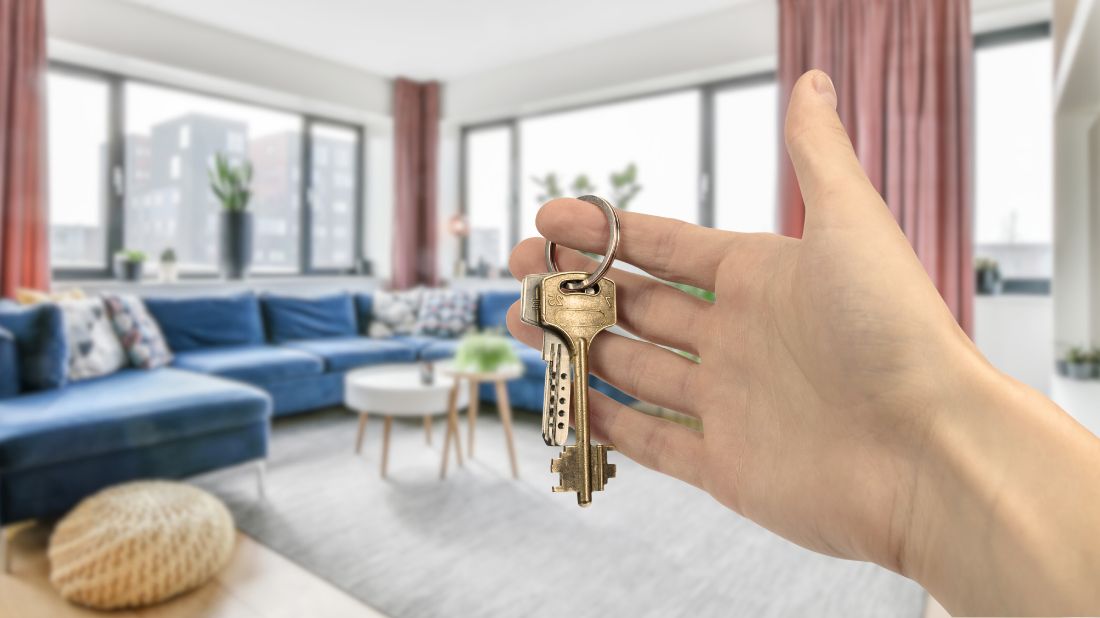
Apartment Security: Simple Ways to Stay Safe Without Drilling
- 3. 3. 2026 13:30
- SHARE


Living in an apartment comes with many perks, from easier upkeep to flexible leases and convenient locations. Still, when it comes to feeling safe, many apartment dwellers aren’t sure what options they really have. Drilling into walls, changing locks, or installing permanent systems usually isn’t on the table.
The good news? Apartment security doesn’t have to be complicated or restrictive.
With the right habits and renter-friendly choices, it’s possible to feel safer without breaking lease rules or making permanent changes. Whether you’re new to apartment living or have been renting for years, home security for renters can be simple, calm, and practical.
Why Apartment Security Feels Different
Apartment living comes with unique challenges. You may share hallways, entrances, parking areas, or even walls with other people. The building manages some security measures, while others are entirely up to you.
That’s why apartment security often looks different from house security. Many renters ask:
- What am I actually allowed to do?
- Is home security for renters worth the effort?
- How can I stay safe without installing anything permanent?
These are very common concerns – and they’re completely valid.
💡 Did you know?
In the United States, about 36% of households rent their home, according to recent housing data.

What Renters Can Usually Do
Most rental agreements allow non-permanent, non-damaging security improvements. That’s where smart security strategies really come into play.
In most cases, renters can:
- use portable or temporary security solutions
- improve lighting without touching any wiring
- build easy, everyday security habits
- rely on personal devices instead of installed hardware
These options give renters more flexibility than they often expect.
Apartment Security Habits That Are Easy to Stick With
You don’t need advanced equipment to improve home security. In many cases, everyday habits have the biggest impact.
Helpful routines include:
- locking doors and windows every time you leave
- paying extra attention to the balcony and sliding doors
- avoiding unattended package deliveries
- keeping entry areas clean and visible
These basics form the foundation of good apartment security, especially in buildings with shared spaces.
▶️ Watch how apartment security can fit into your daily routine:
Lighting Plays a Big Role
Lighting is one of the most effective and renter-friendly security tools available.
- Keep lights on in the evening to signal activity
- Use plug-in lamps near doors or windows
- Make sure balconies and nearby areas aren’t hidden in darkness
💡 Did you know?
Studies conducted in U.S. cities have shown that well-lit residential areas experience 20–30% fewer property-related incidents than poorly lit ones.
Smart Security Without Drilling
Many people assume apartment security requires installing cameras or alarms. In reality, it often focuses on flexible, portable solutions.
Renter-friendly options:
- don’t damage walls or doors
- can move with you if you relocate
- work well in temporary or shared living situations
This flexibility is one of the biggest advantages of home security for renters, especially for people who move often.

Don’t Overlook Shared Spaces
Good apartment security doesn’t stop at your front door.
The condition of shared hallways, parking garages, laundry rooms, and mail areas plays a big role in how safe a building feels overall.
💡 Did you know?
U.S. crime data shows that a significant share of apartment-related incidents occur in shared or poorly monitored spaces rather than in individual units.
Apartment Security When You’re Away
Even short absences can make a difference, which is why simple routines are still important when you’re not home.
Before you head out, it helps to:
- make sure doors and windows are properly secured
- use timers or lights when possible
- avoid sharing travel plans on social media
Small signs of activity can go a long way in supporting apartment security and making a place look lived in.
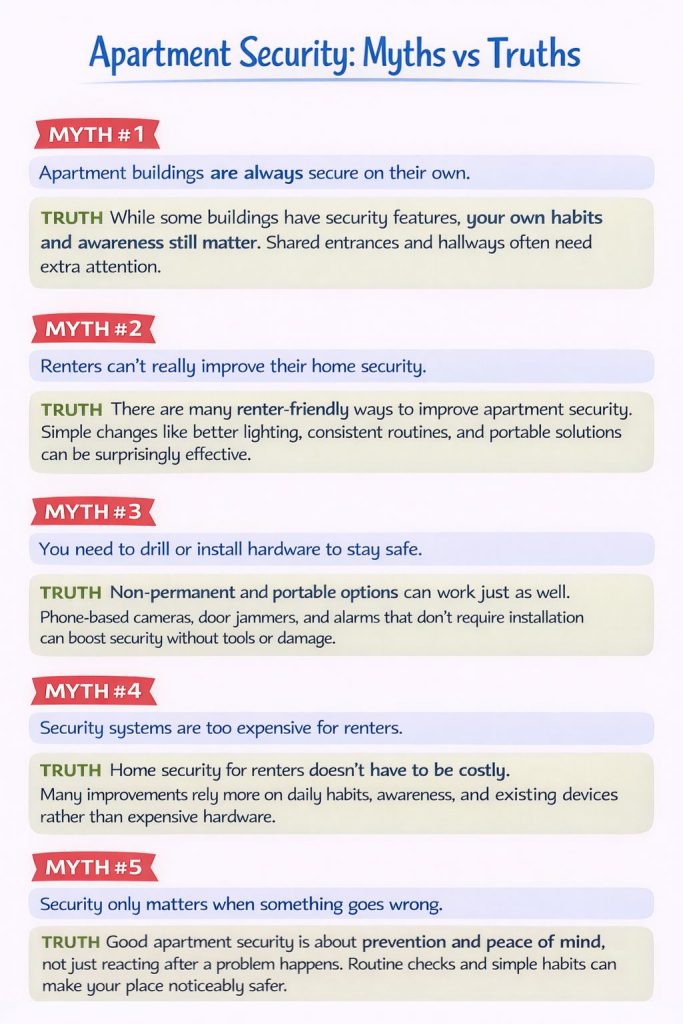
A Simple Security Option Using Your Phone
When you live in an apartment, finding security options that don’t involve drilling or permanent installation can feel tricky.
That’s where using your phone as part of a simple home security setup can really help.
With apps like ZoomOn, you can turn your smartphone into a basic security camera or monitor. If you have a spare or older phone at home, you can put it to use without buying new equipment or making changes to your apartment.


ZoomOn works on both Android and iOS, so you can use the devices you’re already comfortable with.
If you’re looking for home security without drilling or hard installations, using your phone can be an easy way to get started and see what works best for your space.
Final Thoughts:
Living in an apartment means working within a few limits, but staying safe doesn’t have to feel complicated or overwhelming. With simple habits and renter-friendly choices, apartment security can become part of your everyday routine without much effort.
You don’t need permanent installations or expensive systems to practice effective home security for renters. Often, it’s the small things – paying attention to shared spaces, keeping lights on, and sticking to basic routines – that help you feel more at ease at home.
When home security fits naturally into how you live, it stops feeling like a task and starts feeling like peace of mind.
FAQ:
Is apartment security different from house security?
Yes, in many ways. Apartment security often focuses more on shared spaces, daily routines, and solutions that don’t involve permanent changes.
What are renters usually allowed to do for security?
Most renters can take steps that don’t damage the property. This usually includes using temporary or portable solutions, improving lighting with plug-in lamps, and building consistent security routines – all without violating lease agreements.
Is home security for renters really worth it?
It is! Even small changes can make a noticeable difference in how safe a place feels.
What’s the easiest first step?
Start with the basics. Making a habit of checking locks and improving lighting around entry points is easy, renter-friendly, and surprisingly effective.
Do I need expensive equipment?
No. Many effective security improvements rely on habits and awareness rather than hardware.
- 3. 3. 2026 13:30
- SHARE
